
1000 L TWIN-SHAFT CONCRETE MIXER
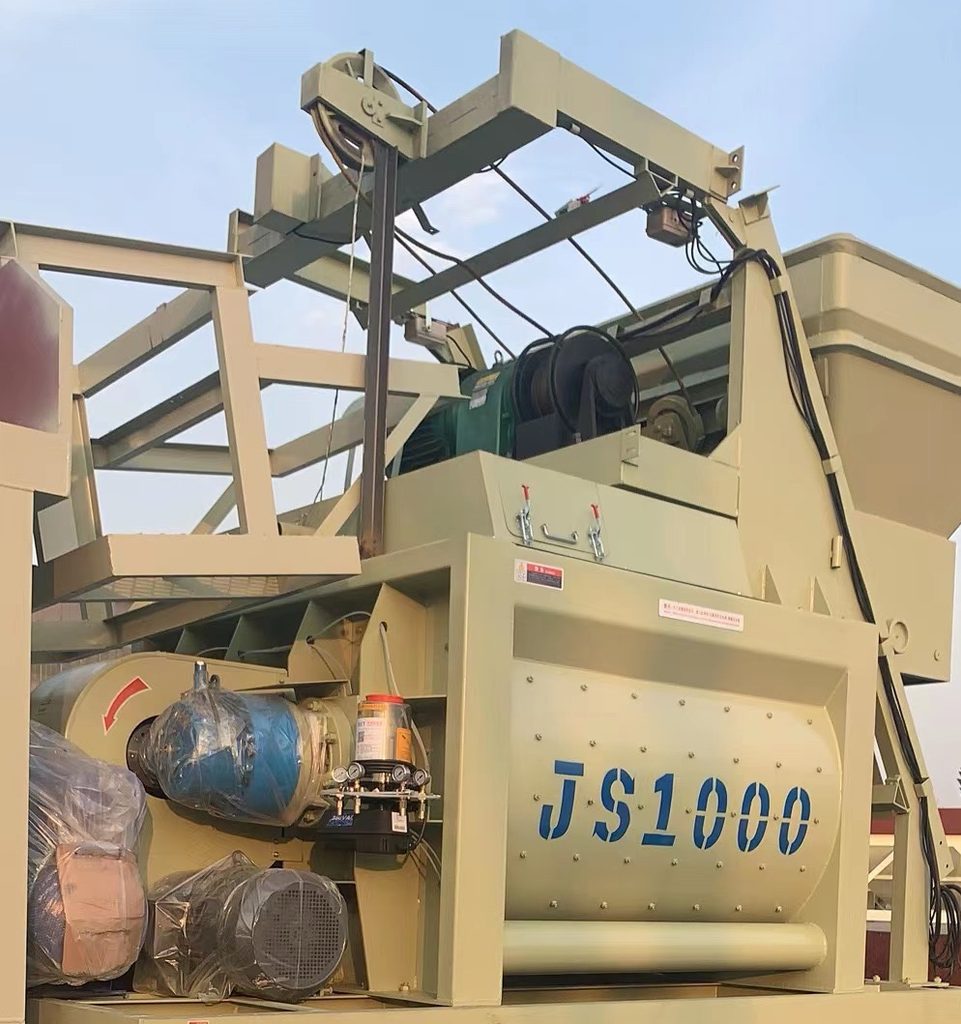
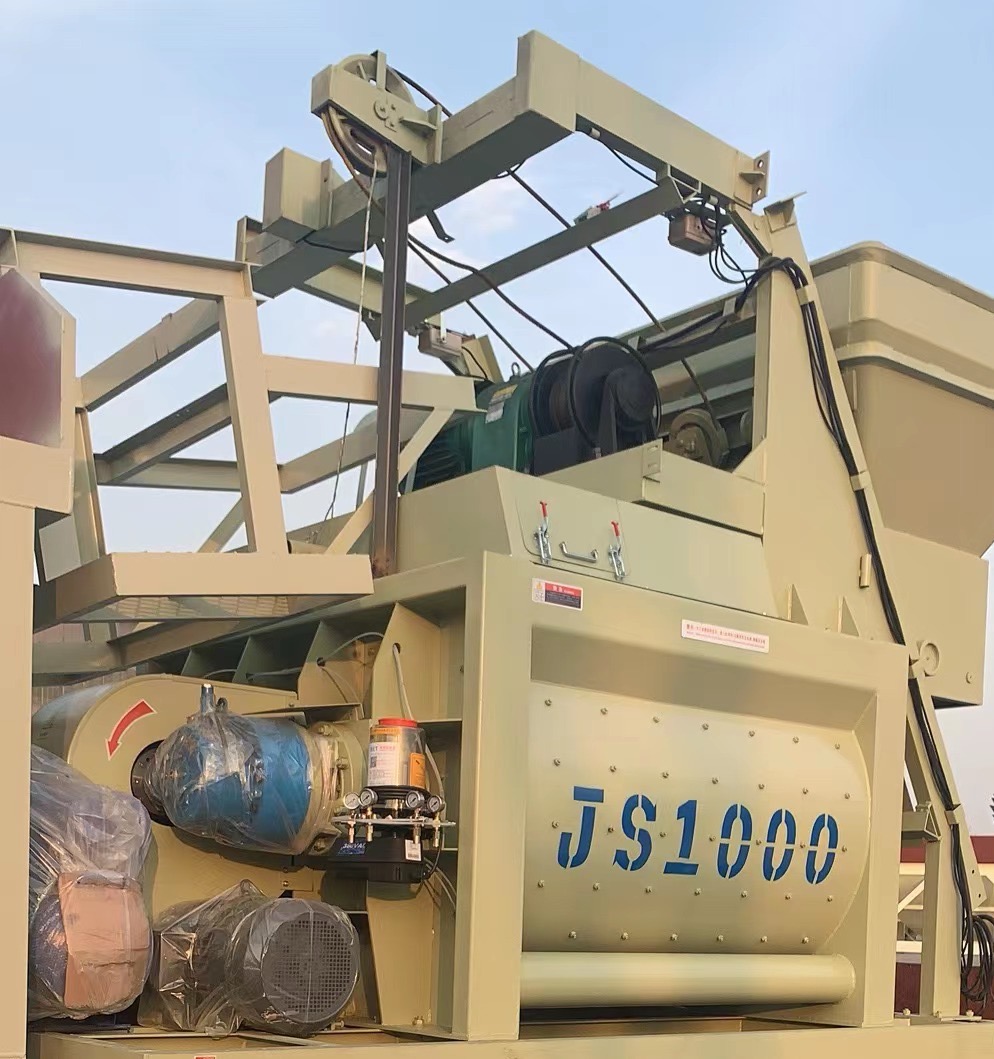
JS1000 Twin-Shaft Concrete Mixer
The JS1000 is a forced twin-shaft concrete mixer for concrete batching plants, precast production, road and bridge projects, water-conservancy works and independent concrete production lines. It is designed for intensive mixing and can be configured around project voltage, drive system, lubrication and discharge requirements.
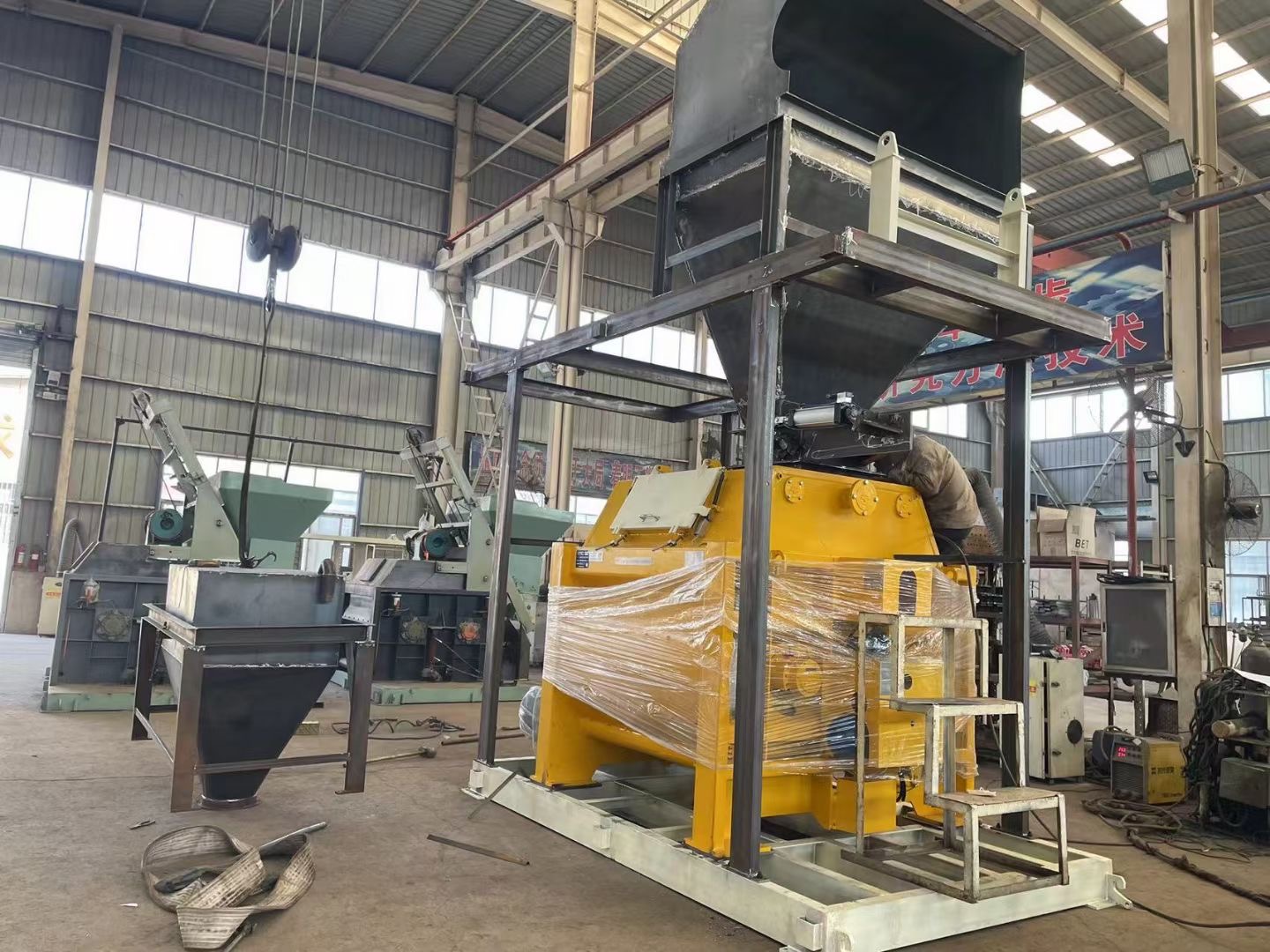
1000 L
Nominal Discharge
1600 L
Typical Charging Capacity
Twin Shaft
Forced Mixing
Heavy Duty
Replaceable Wear Parts
Why Choose the JS1000 Concrete Mixer?
Intensive Twin-Shaft Mixing
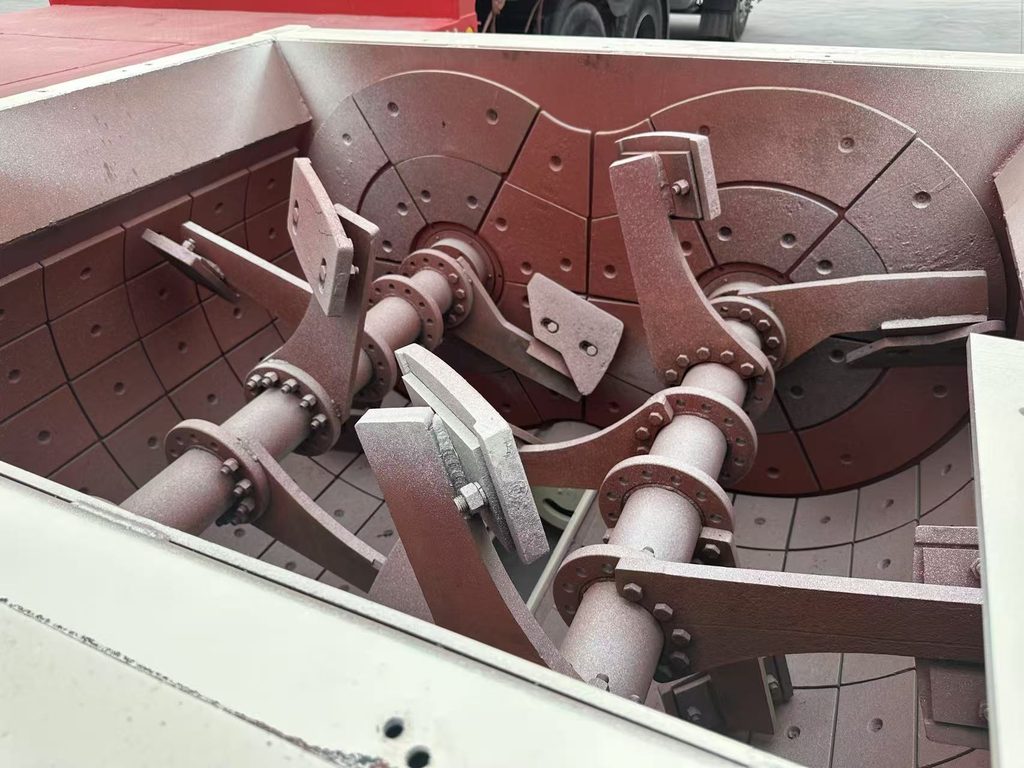
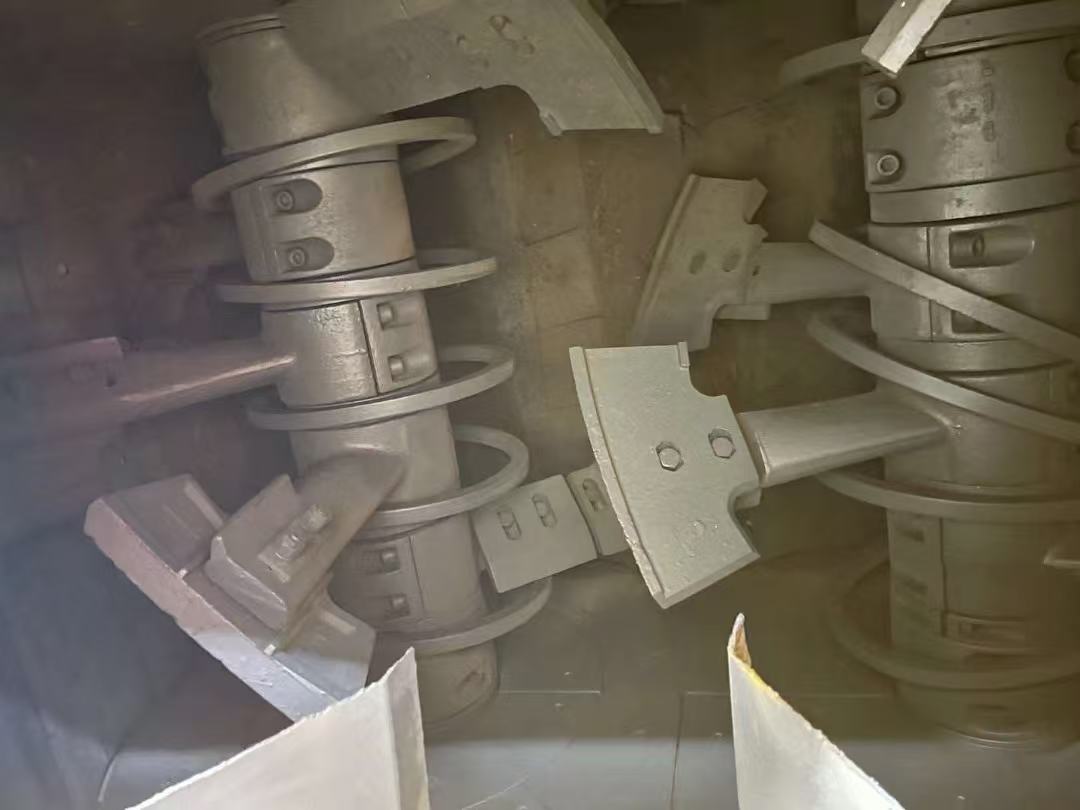
Counter-rotating shafts and arranged mixing arms promote rapid material circulation and uniform mixing for plastic, dry and multiple concrete recipes.
Wear-Resistant Mixing System
Liners, mixing arms and blades can use high-wear-resistant materials and are designed as service parts for maintenance and replacement.
Project-Specific Configuration
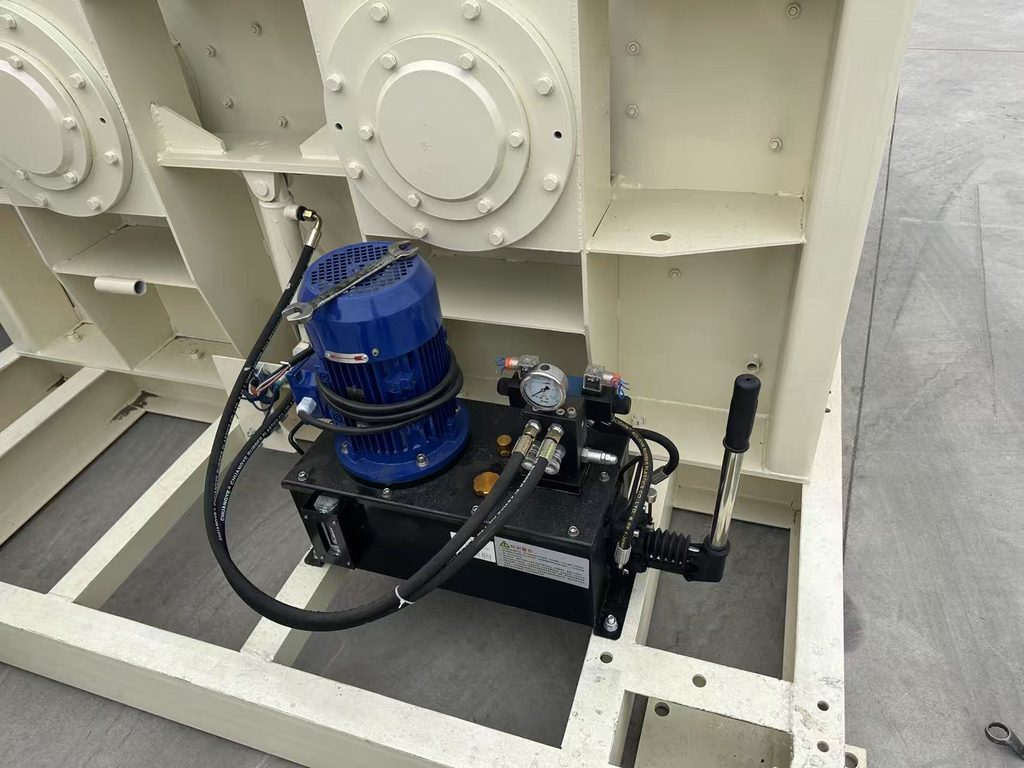
Voltage, motor, gearbox, lubrication and discharge actuator can be selected according to the final production line.
JS1000 Product Gallery
JS1000 Technical Specifications
JS1000 denotes a twin-shaft mixer with a nominal 1 m³ discharge per batch. The figures below support initial equipment selection; dimensions and weight depend on the supplied assembly.
| Model | JS1000 |
|---|---|
| Mixer Type | Twin-shaft compulsory concrete mixer |
| Nominal Discharge | 1000 L (1 m³ per batch) |
| Typical Charging Capacity | 1600 L |
| Reference Mixing Motor Power | 37 kW total; drive arrangement depends on configuration |
| Reference Maximum Aggregate Size | 60/80 mm as listed by the reference manufacturers; confirm material type and grading |
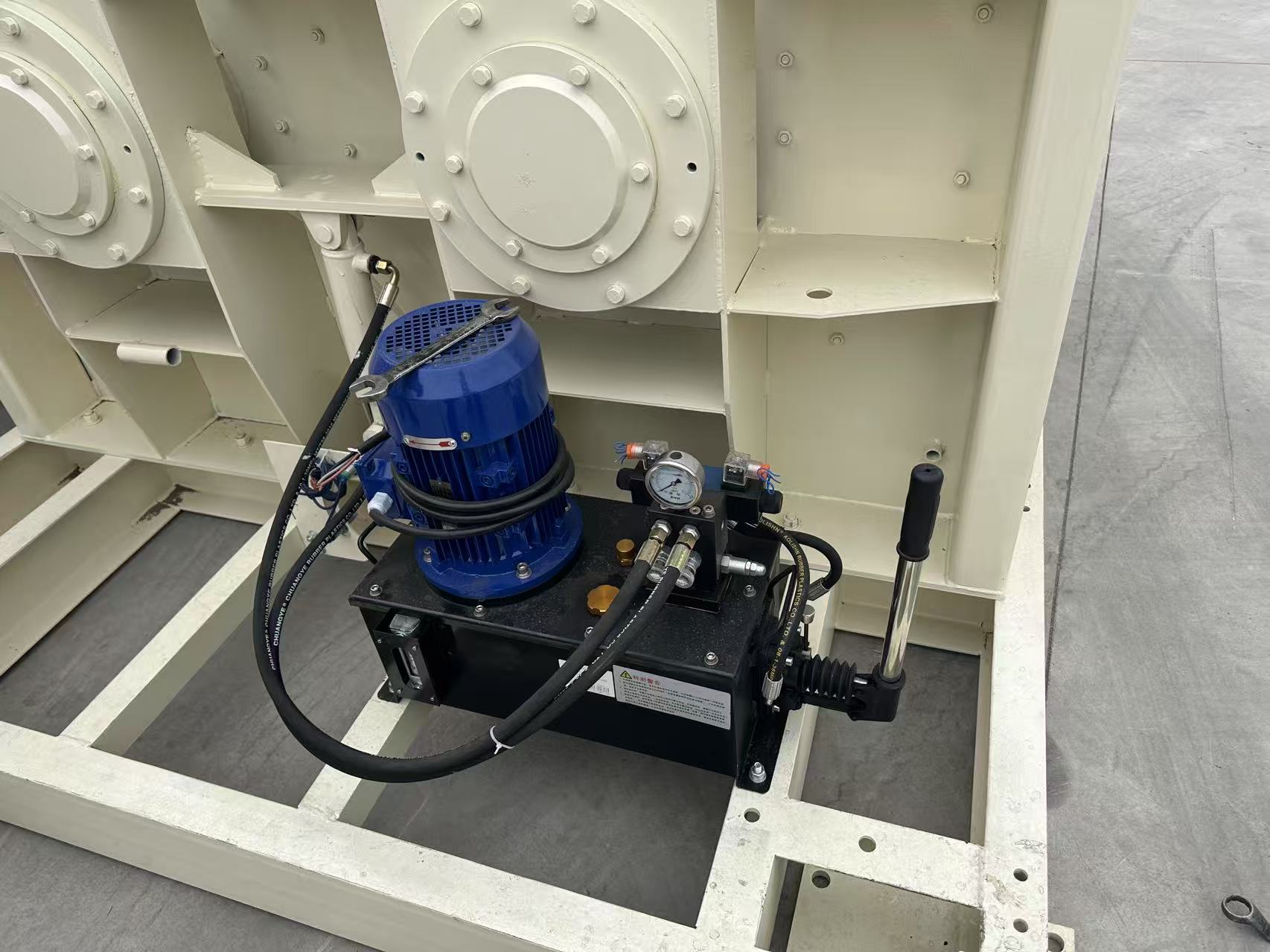
| Discharge | Pneumatic or hydraulic arrangement, selected for the project |
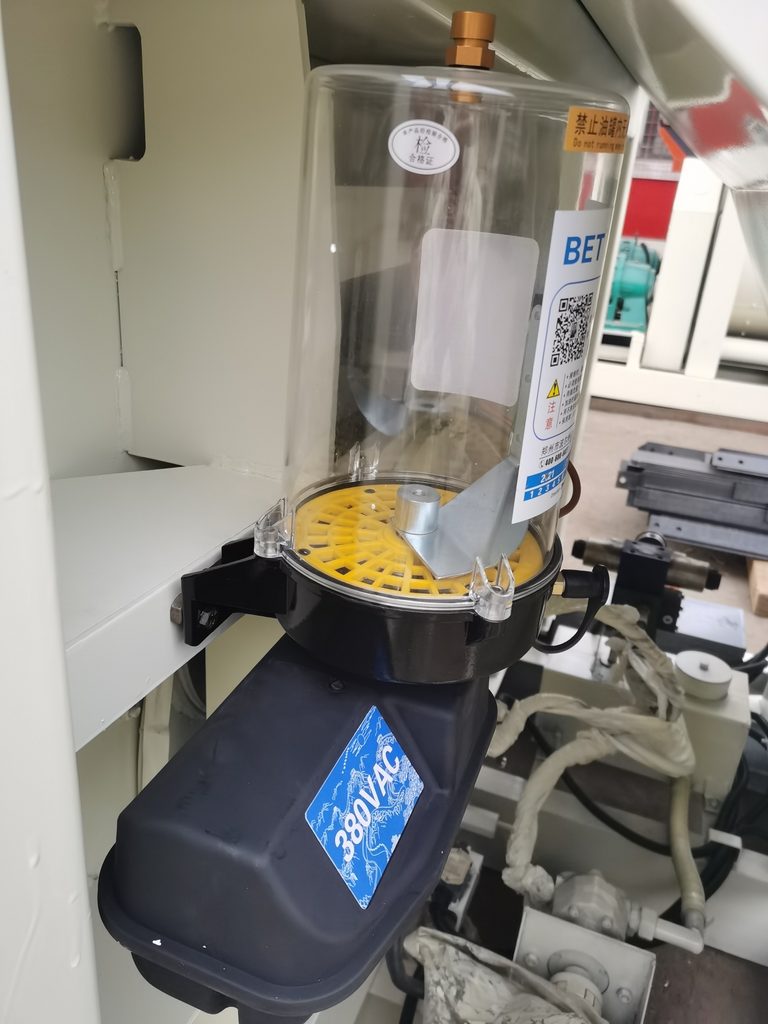
| Lubrication | Centralized lubrication available |
| Electrical Standard | Configured for destination voltage and frequency |
Published Configuration Examples: Dimensions and Weight
These are separate manufacturer examples, not a guaranteed JINSHI specification. Use the signed equipment proposal and arrangement drawing for transport and foundation design.
| Reference configuration | Dimensions (L × W × H) | Published weight |
|---|---|---|
| CHAND JS1000 — transport state | 4320 × 2200 × 3300 mm | 7800 kg (listed total) |
| CHAND JS1000 — working state | 10460 × 3400 × 9050 mm | Same listed total; confirm included assemblies |
| Haomei JS1000 — listed dimensions, assembly scope to confirm | 4640 × 2250 × 2250 mm | 7880 kg (listed weight) |
Reference sources: CHAND published JS1000 specifications and Haomei published JS1000 specifications. Reviewed October 12, 2026.
Request the configuration-specific technical sheet and drawing, including motor arrangement, aggregate limit, mixer-only weight, shipping dimensions and installed height.
Main Components
Mixing System
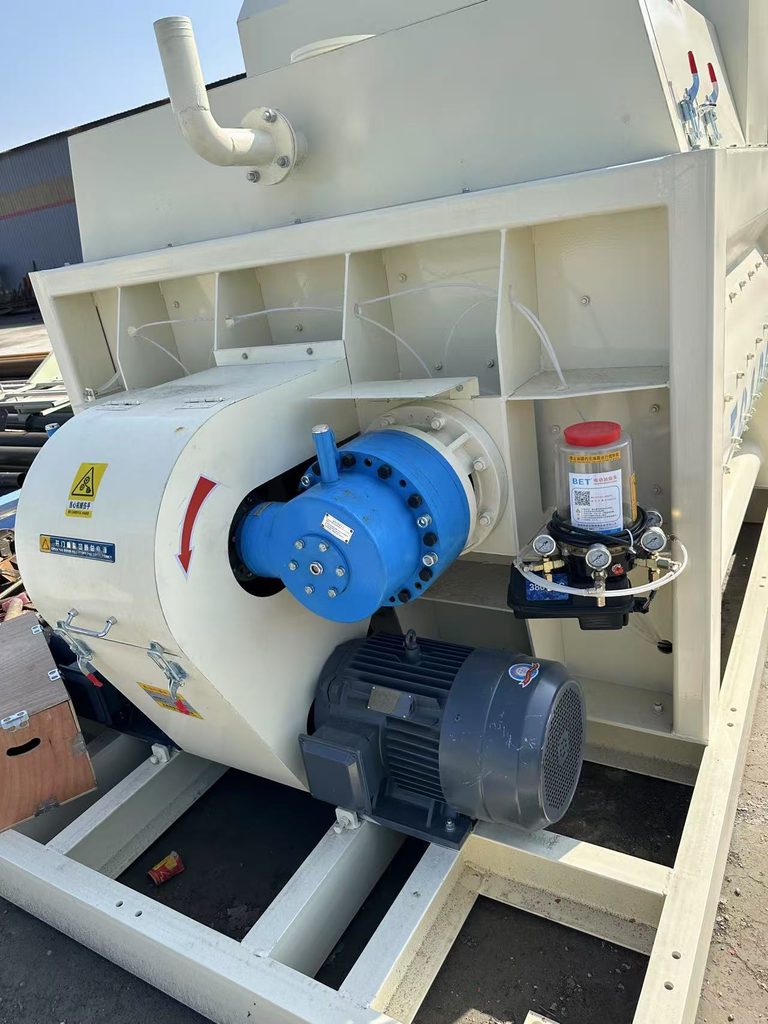
Twin horizontal shafts, mixing arms and blades form the core compulsory mixing system.
Wear Protection
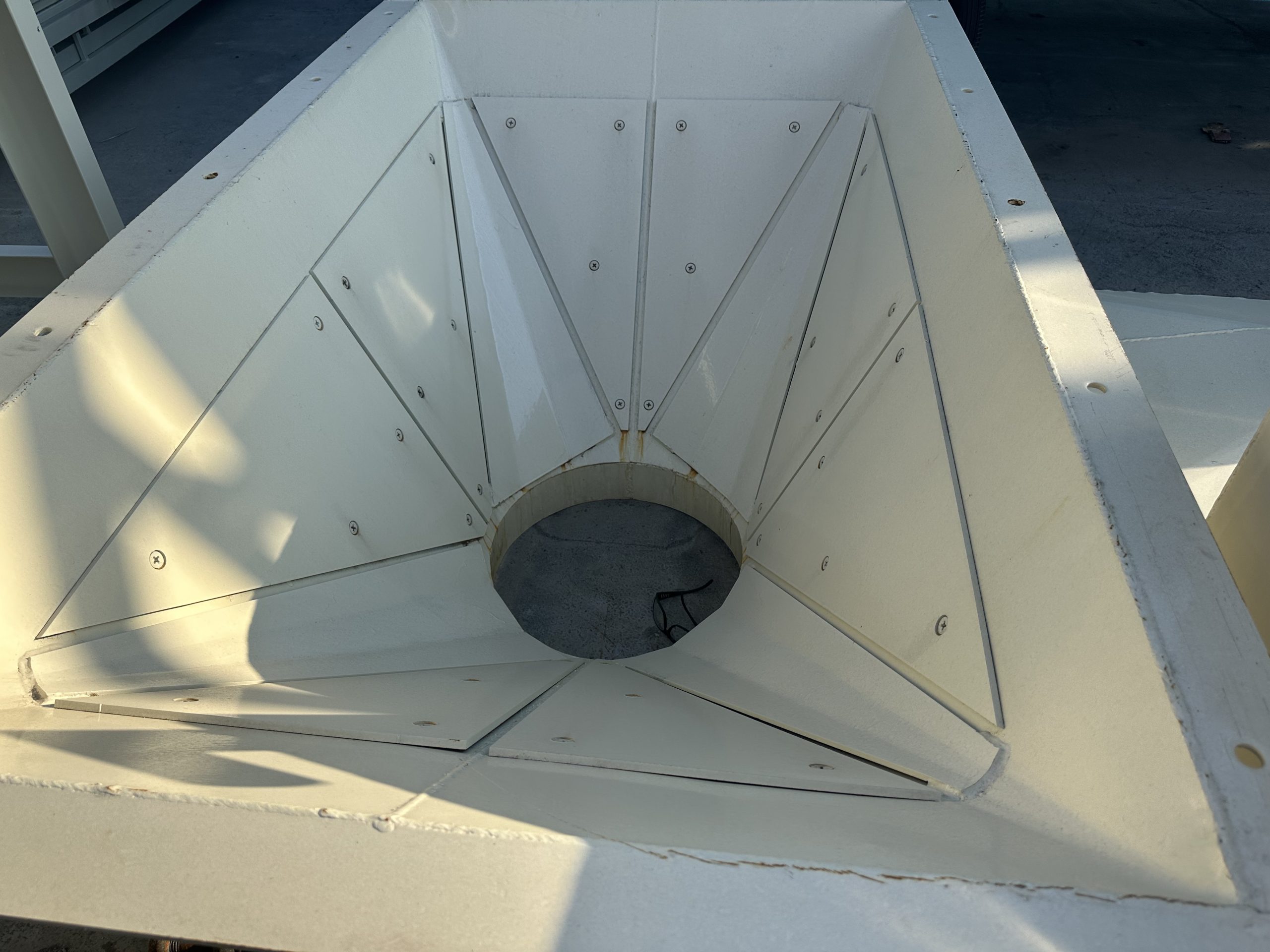
Replaceable liners and wear components help simplify routine maintenance.
Shaft-End Sealing & Lubrication
Shaft-end sealing and centralized lubrication are key modules for long-term reliability and should be maintained according to the operating schedule.
Drive & Discharge
Drive, gearbox and discharge mechanism are selected according to the final equipment configuration.
How Twin-Shaft Mixing Works
- Measured aggregates and powders enter the mixing chamber.
- Water and admixtures are introduced according to the recipe.
- Two horizontal shafts drive mixing arms through the material in overlapping mixing zones.
- Materials circulate rapidly for uniform blending.
- After the required mixing cycle, the discharge gate opens and concrete enters the receiving system.
Applications
The JS1000 can be used as the main mixer in concrete batching plants, precast component factories, road and bridge projects, water-conservancy construction and independent concrete production lines.
Configuration Options
Options can include motor and gearbox selection, centralized lubrication, discharge actuator, wear-part material, electrical standard and interface arrangement for the batching plant control system.
Maintenance Focus
Routine inspection should focus on mixing blades and liners, shaft-end seals, lubrication points, gearbox and drive components, discharge mechanism and fasteners. Wear parts should be replaced according to actual abrasion and production conditions.
Frequently Asked Questions
What is the nominal discharge capacity of the JS1000?
The model designation corresponds to a nominal discharge of approximately 1000 L per batch.
Can the mixer work with different concrete recipes?
Yes. Twin-shaft compulsory mixers are commonly used for plastic, dry and multiple concrete formulations; the final recipe and cycle should be validated for the project.
Can electrical components be configured for export?
Yes. Voltage, frequency and selected drive/control components should be confirmed before production.
What information is needed for a quotation?
Please provide required mixer capacity, concrete application and recipe, aggregate characteristics, destination voltage/frequency, installation arrangement and any preferred motor, gearbox or control brands.
Get a JS1000 Mixer Configuration
Send your concrete application, required capacity, recipe, aggregate information, voltage/frequency and installation requirements. We will prepare a project-specific configuration and quotation.
More JS1000 Buyer Questions
How do I choose mixer capacity for my project?
Share the required output basis, concrete application, recipe, aggregate information and production schedule. The technical team should check the complete batching cycle and site arrangement before confirming suitability.
Can the JS1000 work with a concrete batching plant?
A JS1000 mixer can be integrated into a batching system when the batching, feeding, discharge and control interfaces are designed for the project. Confirm the exact plant model and interface arrangement in the technical proposal.
What is included in the standard configuration?
Included equipment and options can vary by configuration. Request an itemized quotation identifying the mixer, drive, discharge, lubrication, control interfaces, accessories and any equipment supplied by others.
How are delivery, installation and commissioning handled?
Timing and support depend on the approved configuration, destination and contract scope. Ask the quotation team to confirm the schedule, shipping basis, installation responsibilities, commissioning support and any related costs in writing.
Which spare parts should I prepare?
Ask for the configuration-specific recommended spare-parts list and identify wear parts, quantities and replacement guidance for your materials and operating conditions. Confirm the list against the supplied equipment documentation.